
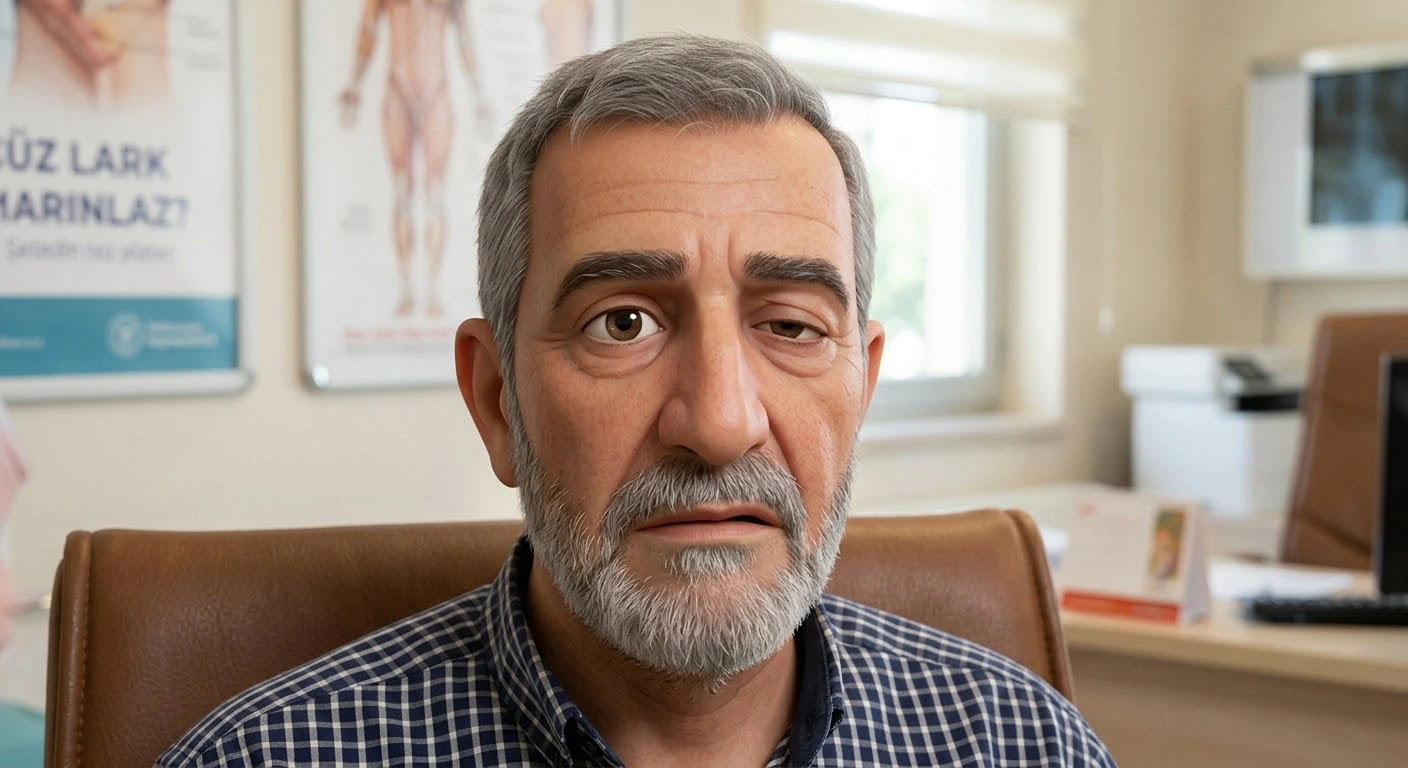
Facial palsy involves weakness or loss of movement in the facial-expression muscles when the facial nerve (the seventh cranial nerve) is damaged, swollen or inflamed. It may affect one or both sides of the face.
Main symptoms
Facial drooping: The corner of the mouth may pull towards the stronger side when smiling or speaking.
Eye problems: Difficulty closing the eyelid, reduced tears or excessive watering.
Loss of expression: Difficulty wrinkling the forehead, raising the eyebrow or wrinkling the nose.
Sensory changes: Altered taste, pain in front of or behind the ear, or increased sensitivity to sound (hyperacusis).
Reduced control: Difficulty eating or drinking and saliva leaking from the mouth.
Types and causes
Peripheral facial palsy (Bell’s palsy): Usually affects one side. The exact cause is not fully known; viral infections such as HSV and changes in immunity may contribute to nerve swelling. Sudden exposure to cold wind or temperature changes is also described as a possible factor.
Central facial palsy: Originates in the brain, for example after a stroke. Forehead and eyelid movement may be preserved, and arm or leg weakness or changes in consciousness can accompany it.
Other causes: Shingles (Ramsay Hunt syndrome), Lyme disease, middle-ear infections, head trauma or tumours.